Swimming
Eleven years in the water. Still counting.
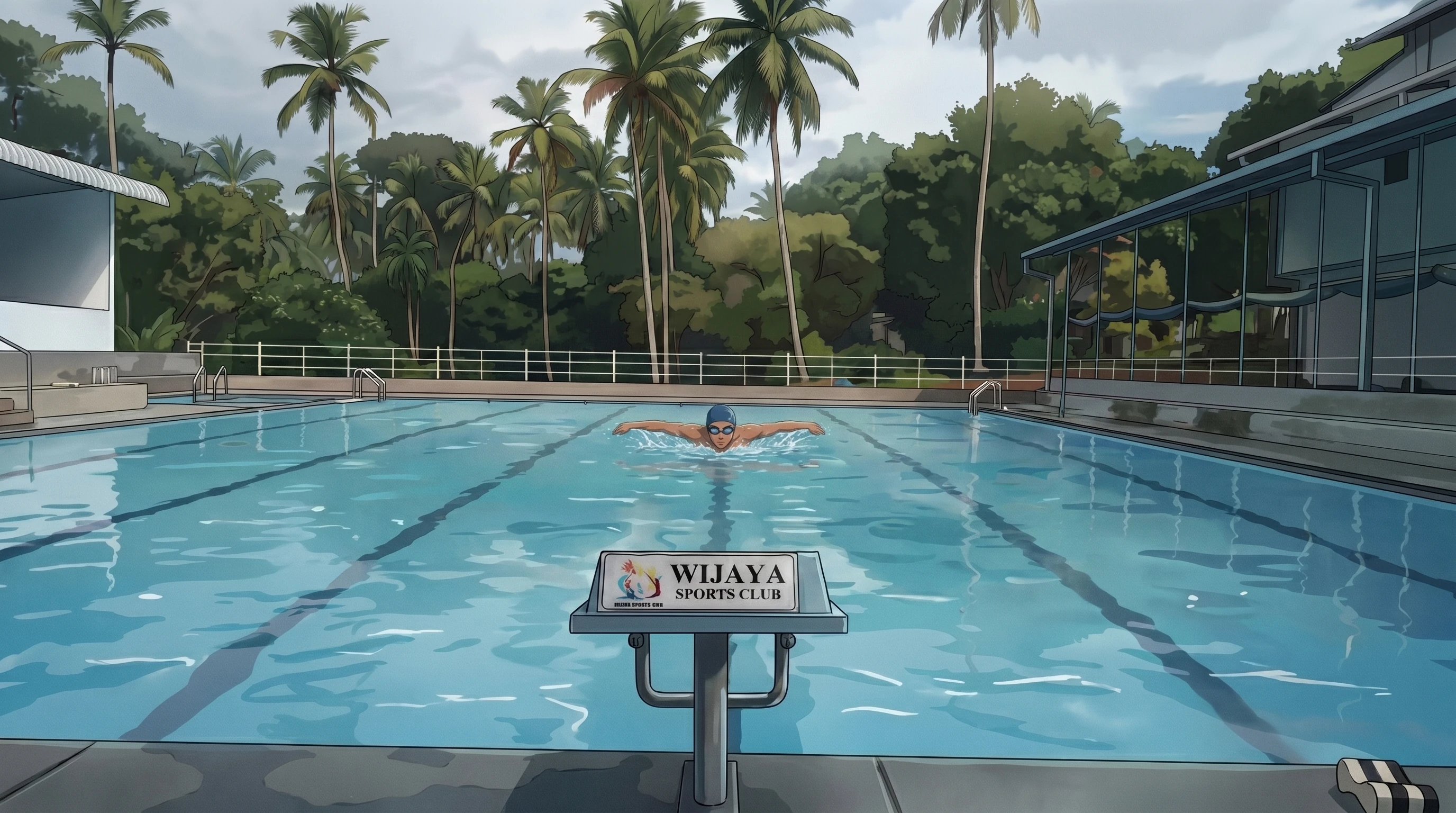
Water is brutally fair. Rhythm, breathing, pacing and repetition decide the result, and nothing else gets a vote. I have swum since 2015: for Ananda College, for Vijaya Swimming Club, and now in the Heriot-Watt University squad.
Eleven Years. Four Strokes. Still Racing.
- 1Freestyle27s
- 2Butterfly31s
- 3Backstroke35s
- 4Breaststroke38s
- 2015 – 2023
Ananda College
Eight years of school swimming and inter-house racing, where the base was built. (wasn't a part of the 5am squad)
- 7 years
Vijaya Swimming Club
Club training and under-18 racing across all four strokes, mainly freestyle and butterfly.
- Now
Heriot-Watt University
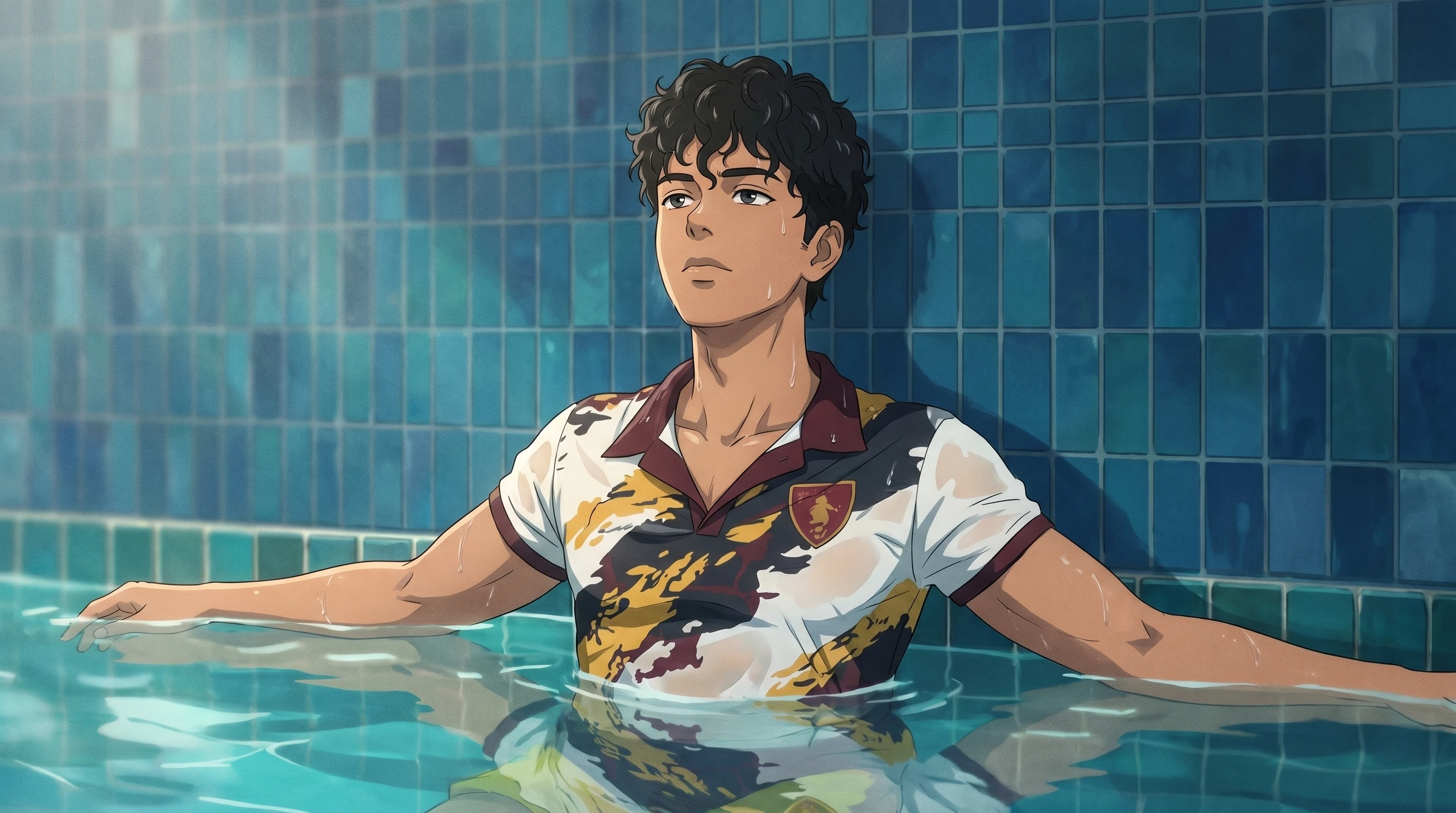
A place in the university Swimming Squad, under 22.
What the Water Taught Me
Around lap thirty, the body opens negotiations.
You learn not to take the meeting. Long sets are not dramatic. They are just honest, length after length, and they are most of what these eleven years have actually been.
Half a second is a whole story.
A lazy turn. One breath too many. An underwater you cut short because it hurt. At sprint pace that is the entire difference, and you never get it back.
A bad start does not have to own the race.
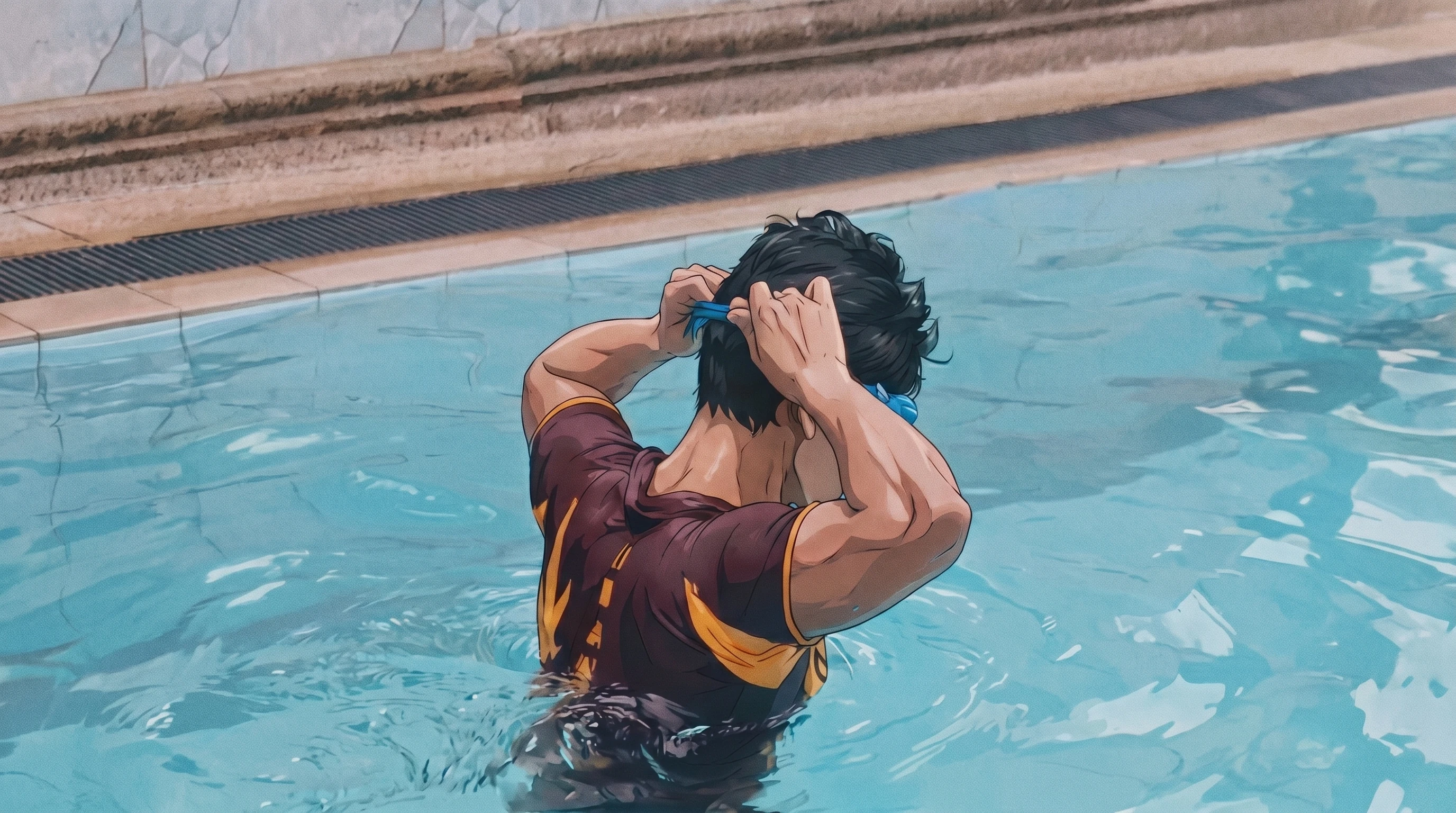
Training builds the engine. Racing checks whether it survives nerves. I have blown enough starts to know the next stroke is the only one still available.
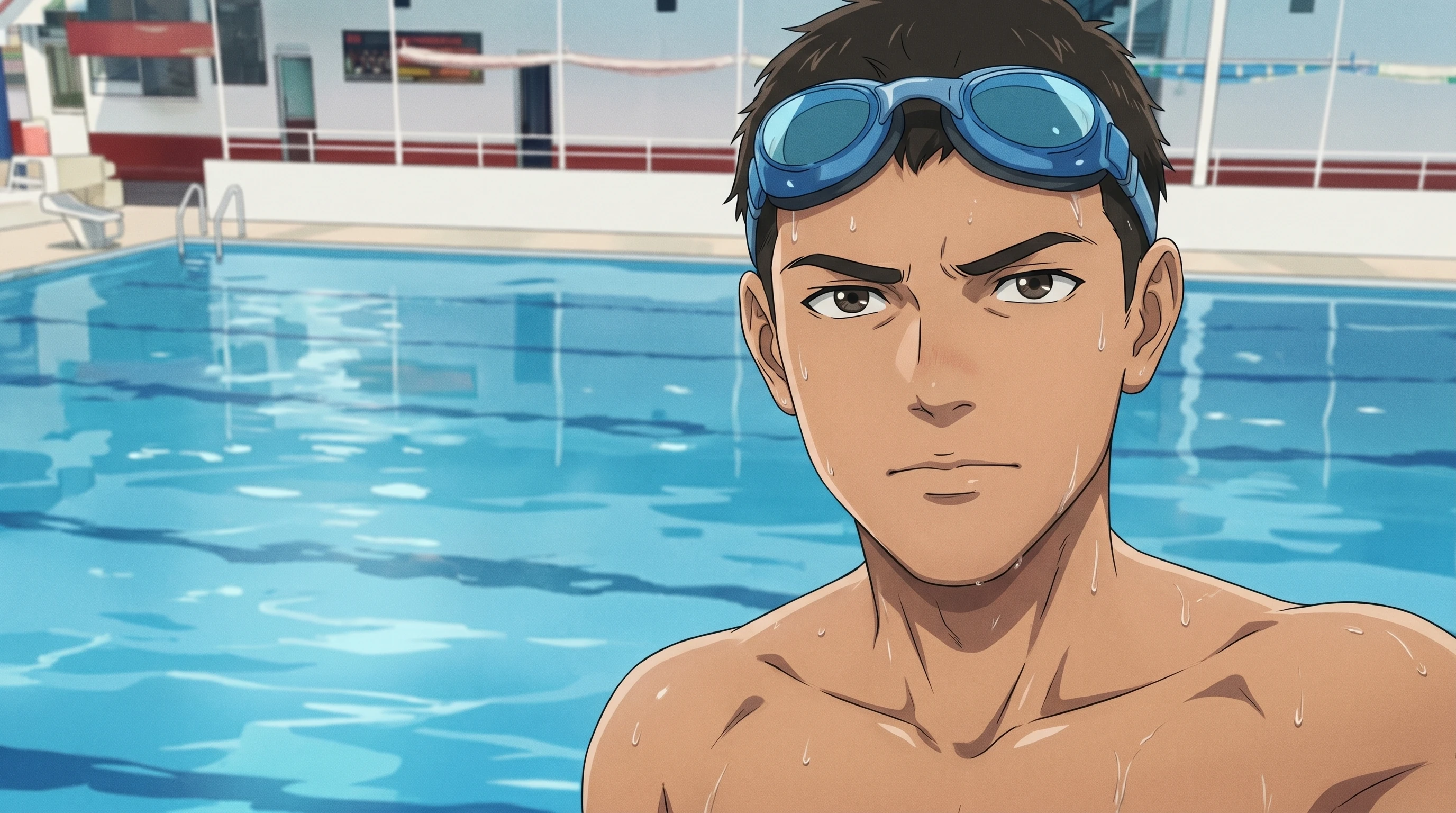
Propulsion Simulator
This did not come out of nowhere. I built things like this in my free time when I was younger, and rather than leave them in a folder, they are scattered around this site for you to play with. These three are the physics of a 50m freestyle, and the first one races you against my best time. They are simplified models, not lab data.
Speed is stroke rate times distance per stroke, and you do not get to max out both. Spin faster and each stroke grabs less water. Kick harder and your legs send the invoice at 35 metres.
Beat my 27 seconds.
Set your race, then press start.
Water resistance grows with the square of your speed, and the power to beat it grows with the cube. Going 10% faster costs about 33% more power. Dropping your hips costs you for nothing at all.
Hold 2.00 m/s on 200 W or less. More effort will not get you there.
This is why coaches nag about head position. It is cheaper than getting stronger.
At the surface you pay to make waves. Go under and that bill falls away exponentially, as e−2gd/v². Watch the dots: water moves in circles under a wave, and the circles die off with depth.
At 2.00 m/s or faster, get wave drag under 5 N without going deeper than 0.60 m.
The rules make you surface by 15 metres. Otherwise nobody would come up. It is also why an underwater you cut short because it hurt is so expensive.
The Pool Became the Standard
The interesting part of swimming was never only speed or stamina. It was what followed me home.
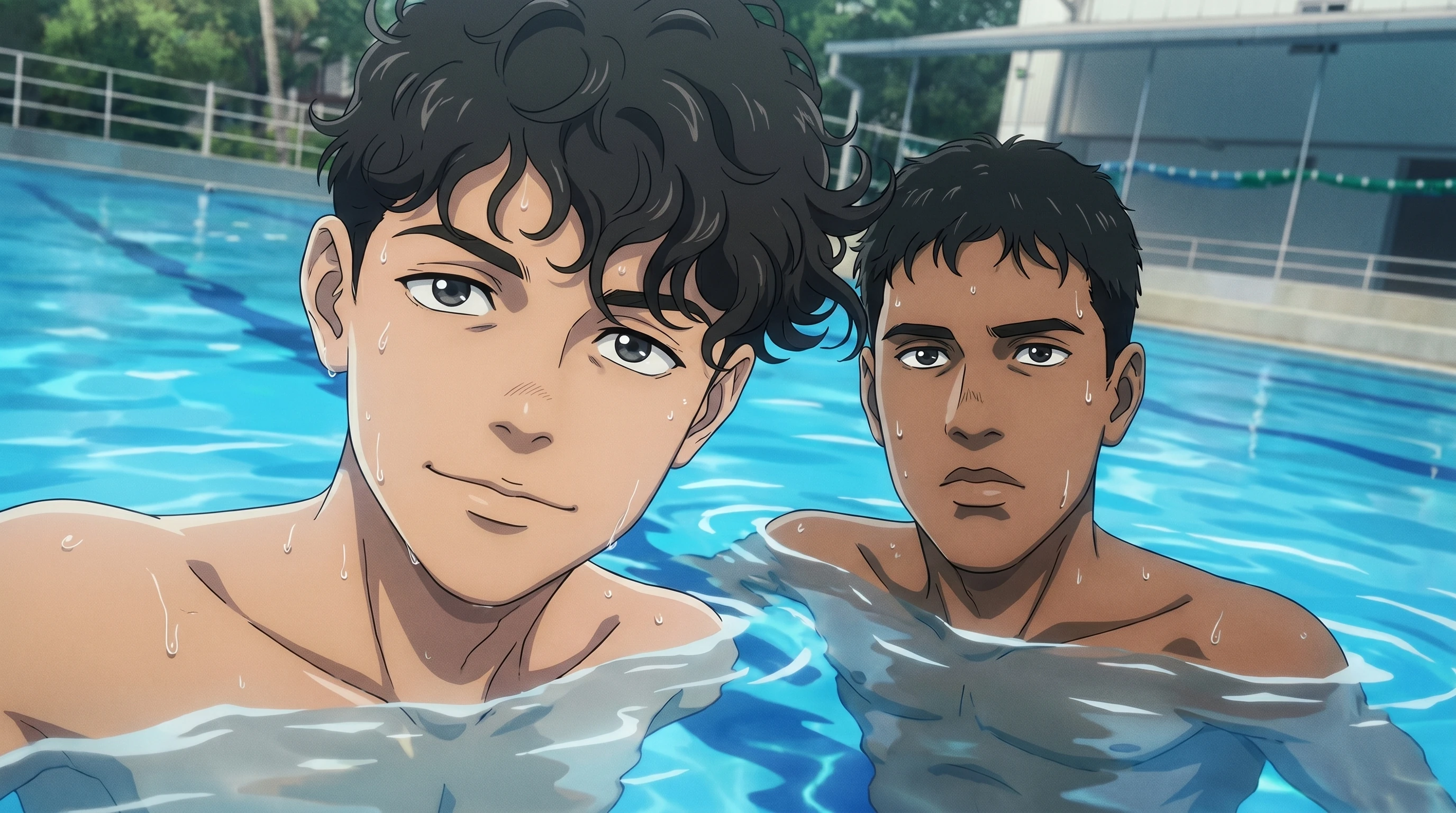
The same habits that keep me training also keep me studying, coding, and building: show up, notice what is weak, change the method, then return long enough for the correction to compound.
"Confidence is built through repeated proof."